Friends and neighbors,
The old saying goes, “April showers bring May flowers.” Across Minnesota, we are seeing rain bring new life and color to lawns and trees, along with the excitement of planting season and warmer weather. We are all ready for that.
At the Capitol in St. Paul, however, April signals something different. Committee hearings are coming to an end, and omnibus bills are taking center stage. In this case, the “green” you are seeing often represents your hard-earned tax dollars being spent.
Under the Minnesota Constitution, the Legislature must finish all business by midnight on Monday, May 18. We are now in the final stretch. The third deadline was Friday, April 17, when committees were required to act favorably on major appropriation and finance bills.
Last session, the Legislature passed the state’s two-year budget. This year, the focus shifts to a bonding bill to invest in aging infrastructure across Minnesota. I am also hopeful we can advance policy changes that make life easier and more affordable for Minnesotans.
Many of the bills heard in committee since session began are now being combined into large omnibus bills. This process is constitutional when bills originate from a single committee and relate to a single subject, but it has been stretched over the years. One of the most notable examples was the 1,400-page omnibus bill passed during the 2024 session by the Democrat trifecta, which is currently being challenged in court.
Just a few years ago, Minnesota had a nearly $19 billion surplus, largely driven by federal COVID-19 funding. On the campaign trail, Democrats made promises to eliminate the Social Security tax and send rebate checks of about $1,000 per taxpayer (they actually delivered about one-quarter of that amount). Those proposals changed after the election. Instead, the size of government expanded significantly, taxes were increased by roughly $10 billion, and spending priorities shifted.
Funding decisions included a $750 million state office building project, billions directed to nonprofits (too many of which have enabled fraud), and a series of unfunded mandates placed on businesses, schools, cities, and counties. Energy mandates were also expanded, increasing the cost of housing and commercial construction.
Today, the surplus is gone. Minnesota is now facing projected deficits because of reckless spending, fraud, and mismanagement of your taxpayer dollars by Governor Walz and Democrats.
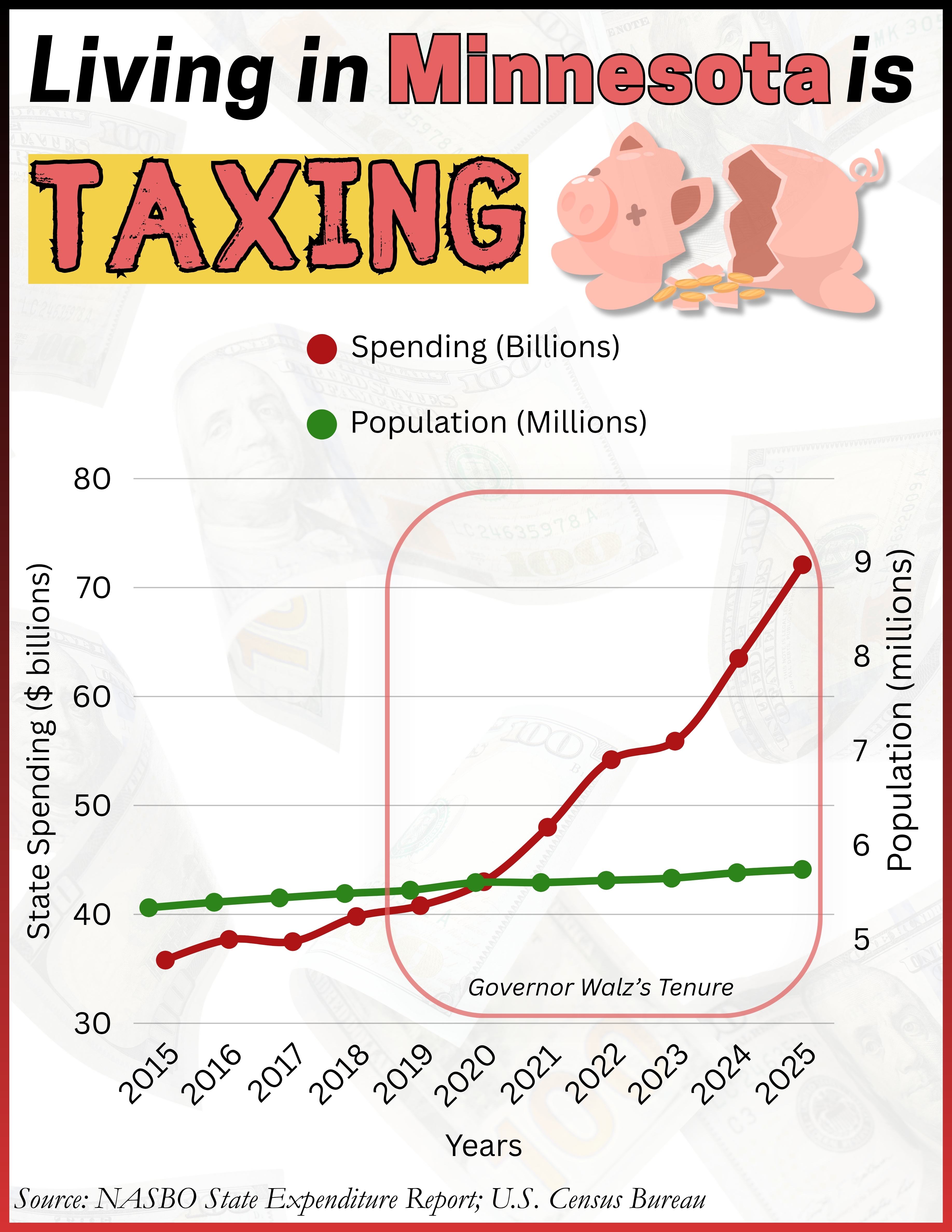
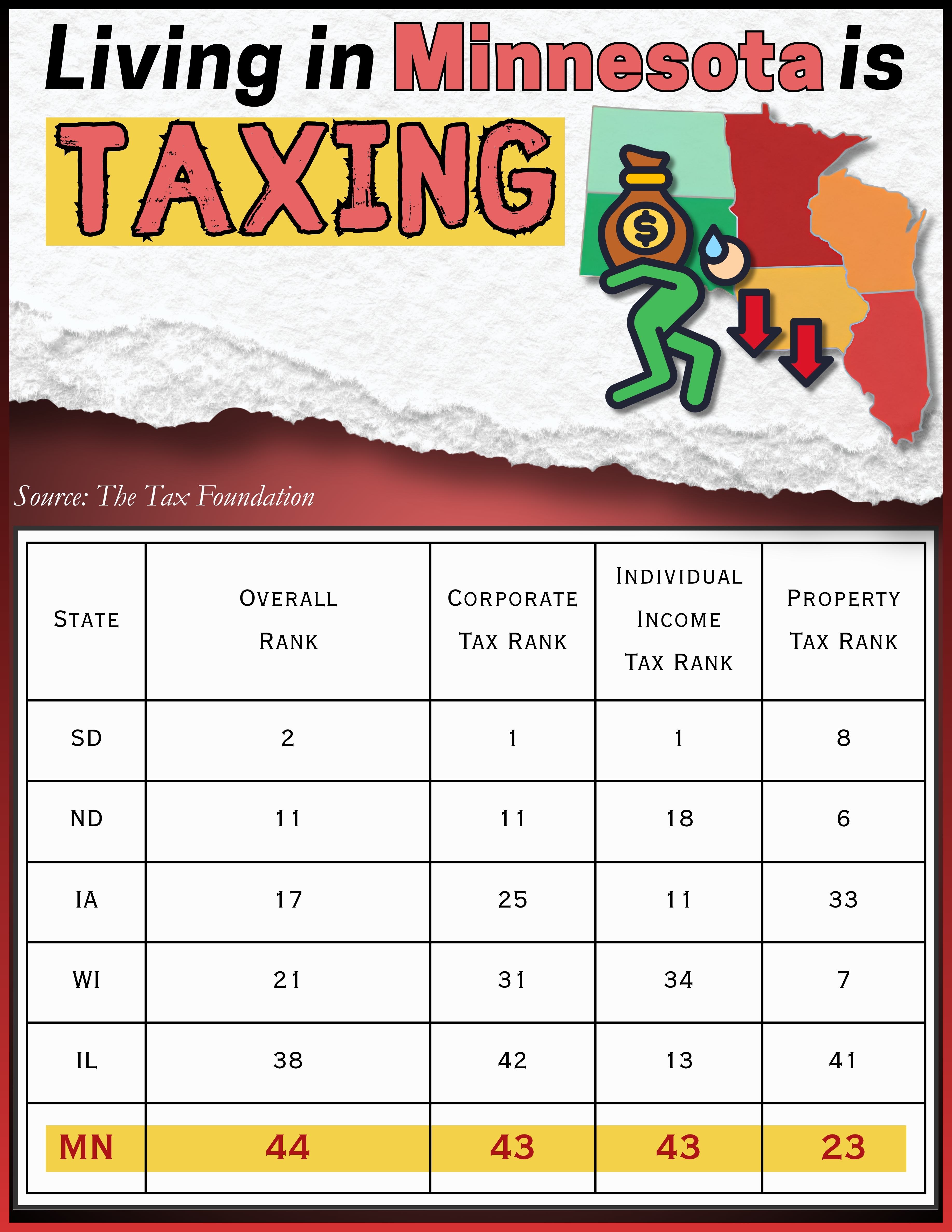
As we look at affordability, it is important to understand what is driving higher costs for families across the state. Over the past several years, state spending has increased by about 48%, while population growth has been roughly 6%. That imbalance is putting real pressure on taxpayers, and Minnesotans should not be asked to pay the price of out-of-control spending. Minnesota has also dropped to 44th in the Tax Foundation’s State Tax Competitiveness Index.
Beyond state taxes, property taxes are among the most common concerns I hear about.
County leaders warned that legislative spending decisions would place pressure on local levies, and that is exactly what has occurred. Unfunded mandates, increased regulation, and higher state spending have left local governments with fewer options, resulting in higher property taxes. Now, a Democrat proposal for a new state-level property tax would add even more burden on homeowners already struggling to keep up.
Vehicle registration fees are another major concern.
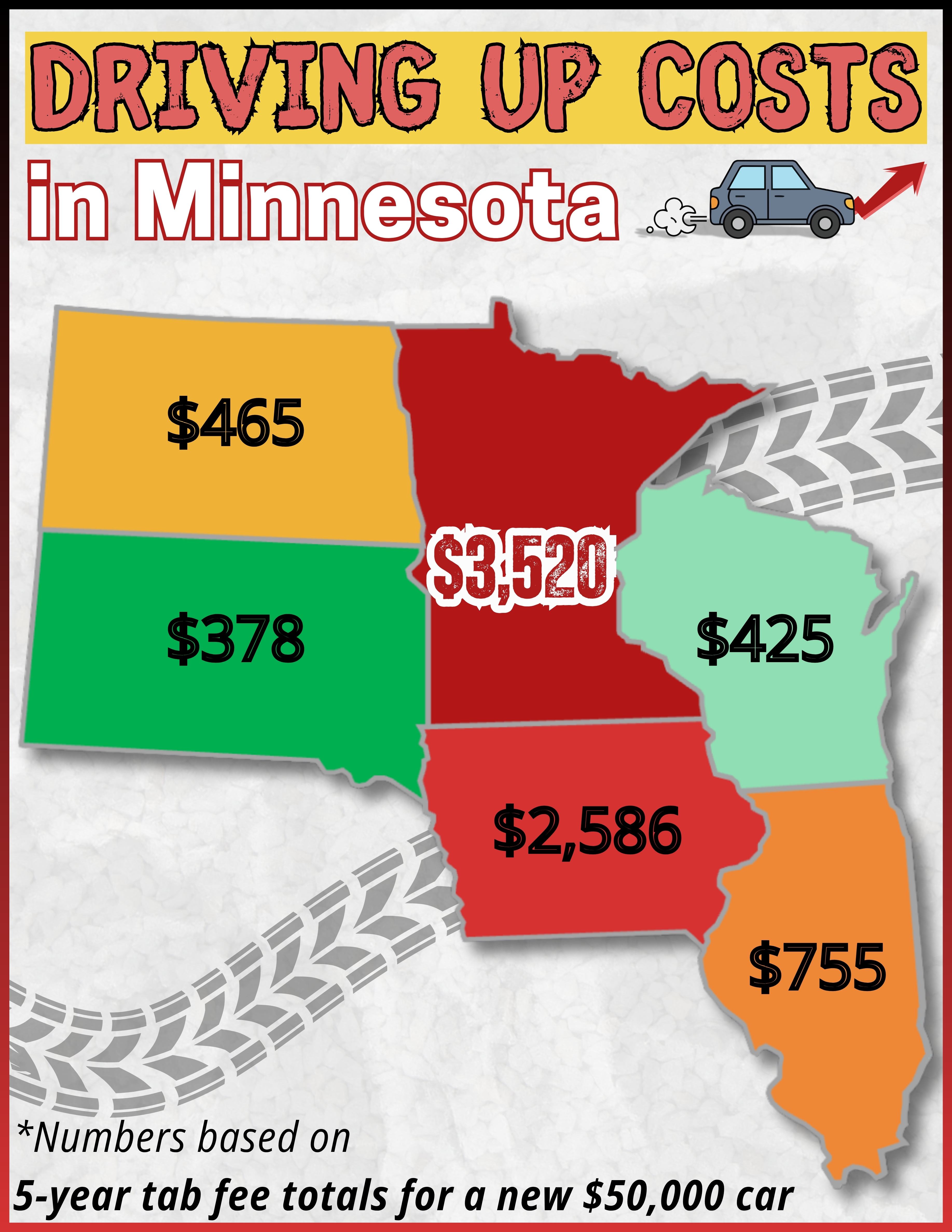
Minnesotans are receiving higher renewal notices and are questioning where those increases are coming from. In the past, Senate Republicans funded transportation priorities without raising broad-based taxes. However, in 2023 Democrats recalculated tab fees, tied the gas tax to inflation so it increases automatically, and are now considering further increases in registration costs.
In a recent committee hearing, DFL Rep. Meg Luger-Nikolai said she may introduce an amendment to quintuple tab fee rates to raise additional revenue. On the House floor, DFL Transportation Finance Committee Co-Chair Rep. Brad Tabke suggested Minnesota’s tab fees are among the lowest in the region, a claim that does not align with available data.
Minnesotans are feeling the impact of these decisions every day. With only weeks left in session, we should be focused on one thing: making life more affordable, not more expensive.
Sincerely,
Gene