
|
Friends and Neighbors, A few weeks ago, I sent direct letters to Governor Walz and every state agency commissioner asking for answers on Minnesota's ongoing fraud crisis. You may have heard that the federal government announced it is withholding $259 million in Medicaid payments until Minnesota presents a real plan to detect, prevent, and stop the fraud. Gov. Walz and his administration had the chance to unlock those funds by delivering a roadmap for protecting taxpayer dollars. Naturally, I wanted to know what the Governor's response was. As a taxpayer, I want to know. As a lawmaker, I need to know so I can help be part of the solution and draft legislation to close gaps and prevent fraud proactively. So, I asked the Governor what his plan is. In a separate letter, I asked the agency commissioners what concrete steps they've taken since last year to detect, prevent, and stop fraud, including training protocols, performance metrics, and results so far. We hear about a new fraud scandal almost every week, if not more often, and the pace isn't slowing. It's common sense to ask the Governor and state agencies what they're doing to address it. This wasn't a “gotcha.” It was a straightforward request for transparency and collaboration so lawmakers can draft effective legislation that ends the theft of taxpayer dollars. It would also help one agency learn what's successful in another. Sharing what works and what doesn't would make all agencies more effective. It should have been easy for them to answer. After years of weekly news stories about fraud and pressure from the federal government to better protect taxpayer dollars, all they had to do was respond with what they've been doing. A simple copy-paste from their playbook. But their response? Crickets. This silence is unacceptable and deeply disappointing. It shuts out lawmakers from drafting and advancing critical bills before next Friday's deadlines (the cutoff for committees to approve policy legislation). And it keeps taxpayers in the dark. Minnesotans can't afford more delays in fighting fraud while federal funds are at risk and the people who rely on social services suffer. Next week, I'm doubling down on my pressure to get real answers from the Governor and agencies. I'll keep you updated. In the meantime, enjoy this warm weekend weather. Thanks for reading, ––––––––––––––––––––––––––––––––––––––––––––––––––––––––––––––––––––– Expanding rural healthcare for mothers and babies |
|
|
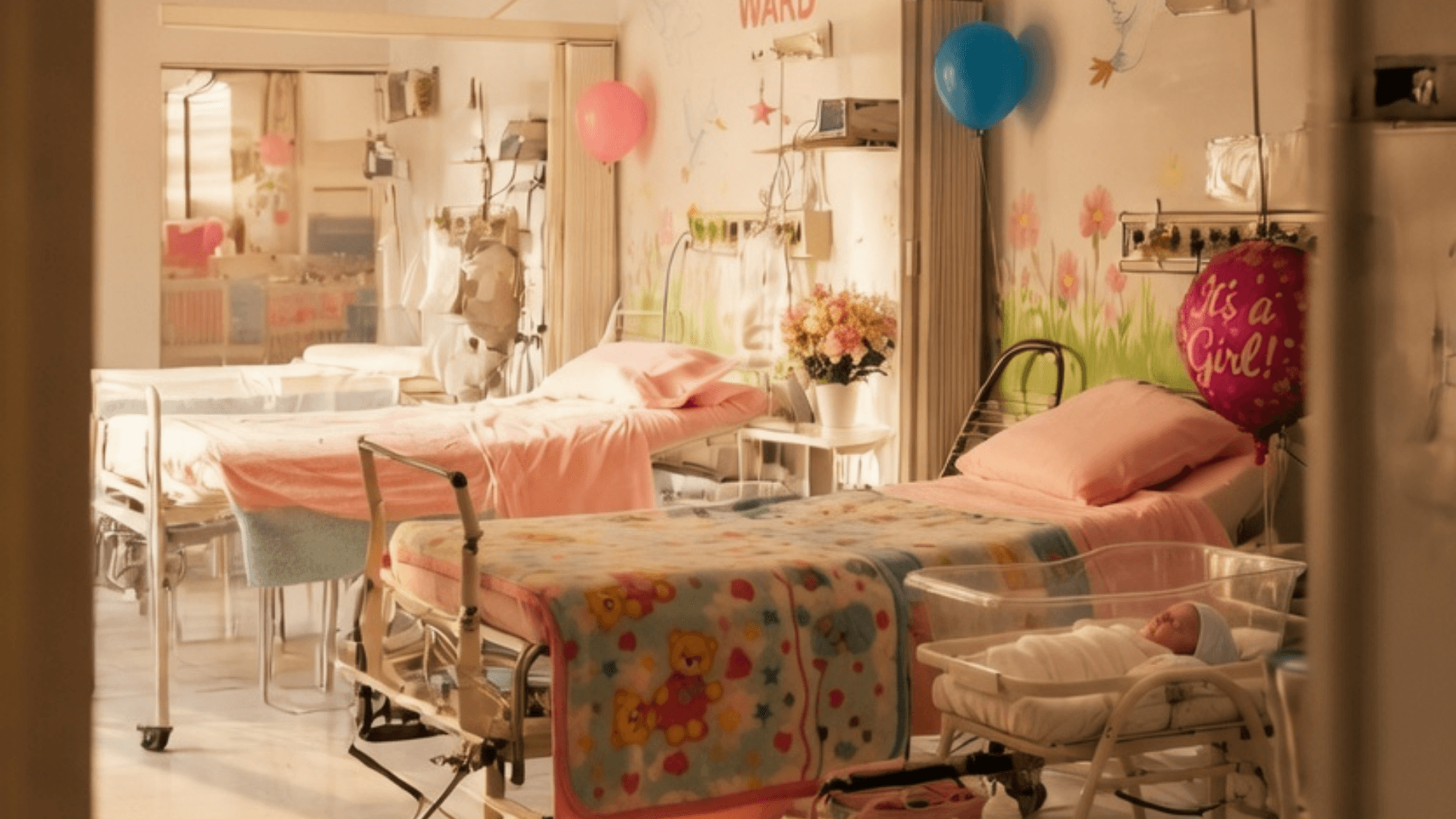
This week I introduced a bill to expand rural healthcare for pregnant mothers and babies. Senate File 3651 would provide a competitive grant program to rural hospitals and higher education institutions to train staff and maintain maternity units in rural hospitals. I keep hearing stories of pregnant mothers waiting for a hospital bed. Rural hospitals just don’t have enough staff. We need to cross-train staff so they can help out with deliveries and give hospitals the opportunity to make the most of what they have. Hopefully, this will help save a mother’s life and save a baby’s life. If we want to keep our economic engine going, we need good hospitals. Richard Ash, CEO of United Hospital District in Blue Earth, testified in support of the bill. “Over the past several years we’ve seen a steady loss of services across rural hospitals. Infant mortality continues to increase because of those risks, as well as the risks for moms. It’s tough to see that when it’s in your own backyard,” said Ash. “Babies don’t schedule their arrival between 9 a.m. and 5 p.m. Rural hospitals need to be ready every minute of the day. Access to maternity care isn’t just a healthcare issue, but an economic issue." The Minnesota Rural Health Association supports the bill and submitted a letter of support to the committee. “For Minnesota families, the stakes could not be higher,” said Mark Jones, Executive Director of MRHA. “When a rural maternity unit closes the risk of emergencies increases and access deteriorates. SF 3651 addresses these realities by supporting exactly the kinds of training and cross-training initiatives rural facilities need.” An MPR report from 2025 said that labor and delivery units across the state and nation have been closing in recent years, and Minnesota is losing the most obstetrics units in the U.S. on a percentage basis. United Hospital District is the last hospital along the I-90 corridor between Austin and Worthington providing obstetric services, a roughly 120-mile stretch. The bill was heard in the Senate Jobs and Economic Development Committee and was laid over for possible inclusion in the omnibus bill. ––––––––––––––––––––––––––––––––––––––––––––––––––––––––––––––––––––– FREE well water testing coming soon |
|

|
I recently met with the Soil & Water Conservation Districts and I wanted to give you a heads up that FREE well water testing is coming soon to Le Sueur and Scott Counties. You can expect the free testing to be available this summer. I’ll update you with details when I have more information. ––––––––––––––––––––––––––––––––––––––––––––––––––––––––––––––––––––– Fraud Update: DHS knew about kickbacks in autism program but refused to investigate |
|
|
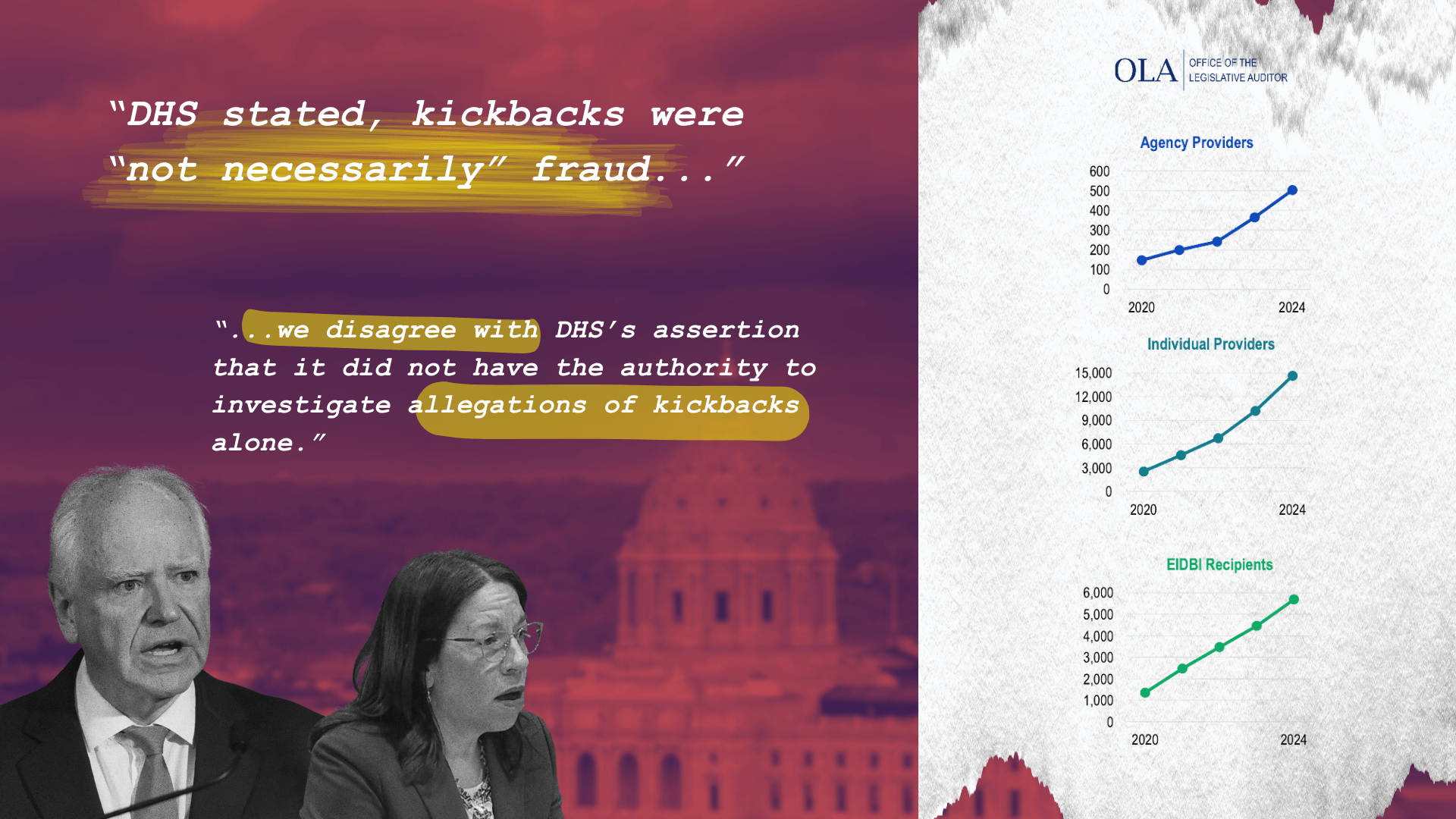
The Office of the Legislative (OLA) today released a special review of the Department of Human Services’ work investigating Early Intensive Developmental and Behavioral Intervention (EIDBI) Program for allegations of kickbacks. The report noted several findings, including the failure of DHS Inspector General to pursue investigations into allegations of kickback schemes when the complaint was centered solely around kickbacks. What this means is that Gov. Walz’s DHS refused to investigate kickback schemes even though it knew about them and had the authority to stop them. The growth in the autism program and reports of kickbacks should have been a red flag. DHS ignored the warning signs even though it had the legal authority to act. This is exactly why we need a truly independent Office of Inspector General. Key findings include:
EIDBI Growth:
The full review can be read here. ––––––––––––––––––––––––––––––––––––––––––––––––––––––––––––––––––––– MN Fraud Files |
|

|
Originally created during the eight-year term of Gov. Mark Dayton, Center of the American Experiment’s Scandal Tracker was reopened to account for the ever-growing list of frauds and scandals perpetuated under the Tim Walz administration. Your one-stop resource for everything related to state government fraud in Minnesota –––––––––––––––––––––––––––––––––––––––––––––––––––––––––––––––––––––––––– Contact Me I always appreciate hearing from constituents. It helps me do my job better and stay focused on the issues that matter most to you. If you have questions, concerns, or ideas, feel free to reach out. You can email at sen.rich.draheim@mnsenate.gov, and my legislative assistant, Henry Rosckes, is available at henry.rosckes@mnsenate.gov. Thanks for reading. Rich Draheim |