|
Dear Friends and Neighbors, At long last, spring has arrived in Minnesota - though, as usual, it seems a bit undecided. One day brings sunshine and hints of summer, the next reminds us that winter isn’t quite ready to let go. It’s a familiar transition this time of year, and a welcome one as we look ahead to brighter days. This week, the Legislature is on break in observance of the Easter holiday, from March 30 through April 6. While our office remains open during normal business hours and is always here to assist you, I will have limited availability during this time. Leading up to the break, committee schedules have been especially full, with some days hearing nearly 20 bills as we worked to meet key deadlines. It’s been a fast-paced stretch, focused on reviewing proposals and moving legislation forward. In this update, I’ll be sharing an overview from the Office of the Legislative Auditor, highlighting my bill to expand access to mental health services for Minnesotans, and responding to several of the emails I’ve received from constituents regarding legislation that matters most to you. |
Yes - Kickbacks Are Illegal |
|
A recent report from the Office of the Legislative Auditor raised serious concerns about how the Minnesota Department of Human Services handled allegations of fraud within one of its programs. The review focused on reports of kickbacks - payments made to improperly influence services - in a state-funded autism program. According to the OLA, while many complaints were reviewed appropriately, there were instances where credible allegations were not fully investigated. In several cases, the Department’s Office of Inspector General closed those cases without pursuing further action or referring them to law enforcement. They just... went away. One of the most concerning findings is that DHS believed it did not have the authority to investigate certain kickback allegations unless they were tied to other forms of fraud. However, the Legislative Auditor determined that the Department has had that authority for decades and could have acted. To me, this raises an important issue of accountability. When potential fraud or abuse of taxpayer dollars is identified, it must be taken seriously, investigated thoroughly, and, when appropriate, referred for further action. Closing cases without full review or clear communication undermines public trust and leaves gaps in oversight. Often times, a small group of constituents will contact me and say my statements regarding fraud (of any kind) aren't based in fact. Cases like these, often found years after the fraud took place, are only the tip of the iceberg of what has been uncovered. When we have folks in charge of these agencies that are supposed to be acting in the highest degree of integrity are overlooking incidents like this (intentionally or not), how will we ever know just how much fraud is occurring? This report highlights the need for stronger transparency, clearer processes, and better follow-through within our state agencies. Moving forward, I will continue to support efforts that ensure taxpayer dollars are protected and that state programs operate with the accountability Minnesotans deserve. Fraud, no matter who commits it, is wrong and those committing it should be held accountable. Period. |
Expanding Mental Health Access for Minnesota |
|
|
One of the challenges we continue to face in Minnesota is ensuring timely access to mental health care. Too many individuals and families are struggling to find the support they need, and workforce shortages remain a significant part of the problem. That’s why I introduced SF 4746, a bill aimed at expanding access to care by making it easier for qualified, licensed marriage and family therapists from other states to practice in Minnesota. Right now, unnecessary barriers in our licensing system can prevent experienced professionals from serving patients here, even when they meet high standards. This proposal maintains Minnesota’s rigorous licensing requirements while removing outdated hurdles - like the five-year waiting period and overly restrictive experience comparisons - that often delay or block qualified providers from entering the workforce. Other states, including Iowa, have already adopted similar approaches with success. I’m encouraged that this bill has received support from mental health professionals, as well as bipartisan interest at the Capitol. Expanding access to care is something we can and should work on together. As this bill moves forward, I’ll continue working to ensure Minnesotans have greater access to the mental health services they need, when they need them. |
|
Bill Tracker 2026
|
|
This past week, I received roughly 1,000 form emails (form emails come from an organization that has a canned statement regarding a specific topic that people opt-in to send to their legislator). The following bills are what I received the most of from constituents: SF1943: Pet shops prohibition from selling cats and dogs I’ve heard from many constituents regarding SF 1943, which would prohibit pet shops from selling cats and dogs. I want to start by saying clearly: animals deserve to be treated humanely, and I share the concern about unethical breeding practices, including puppy mills. At the same time, I believe we need to carefully consider how this policy would work in practice. For example, what happens in situations where a family pet has an unexpected litter and the owner is unable to find homes? What if local shelters or humane societies are already at capacity? These are real-world scenarios that could leave responsible pet owners in a difficult position. As this bill moves forward, I am seeking answers to these kinds of questions to ensure that any policy we adopt addresses animal welfare concerns without creating unintended consequences or penalizing responsible Minnesotans. I will continue to follow this closely and remain open to solutions that are both compassionate and practical. |
|
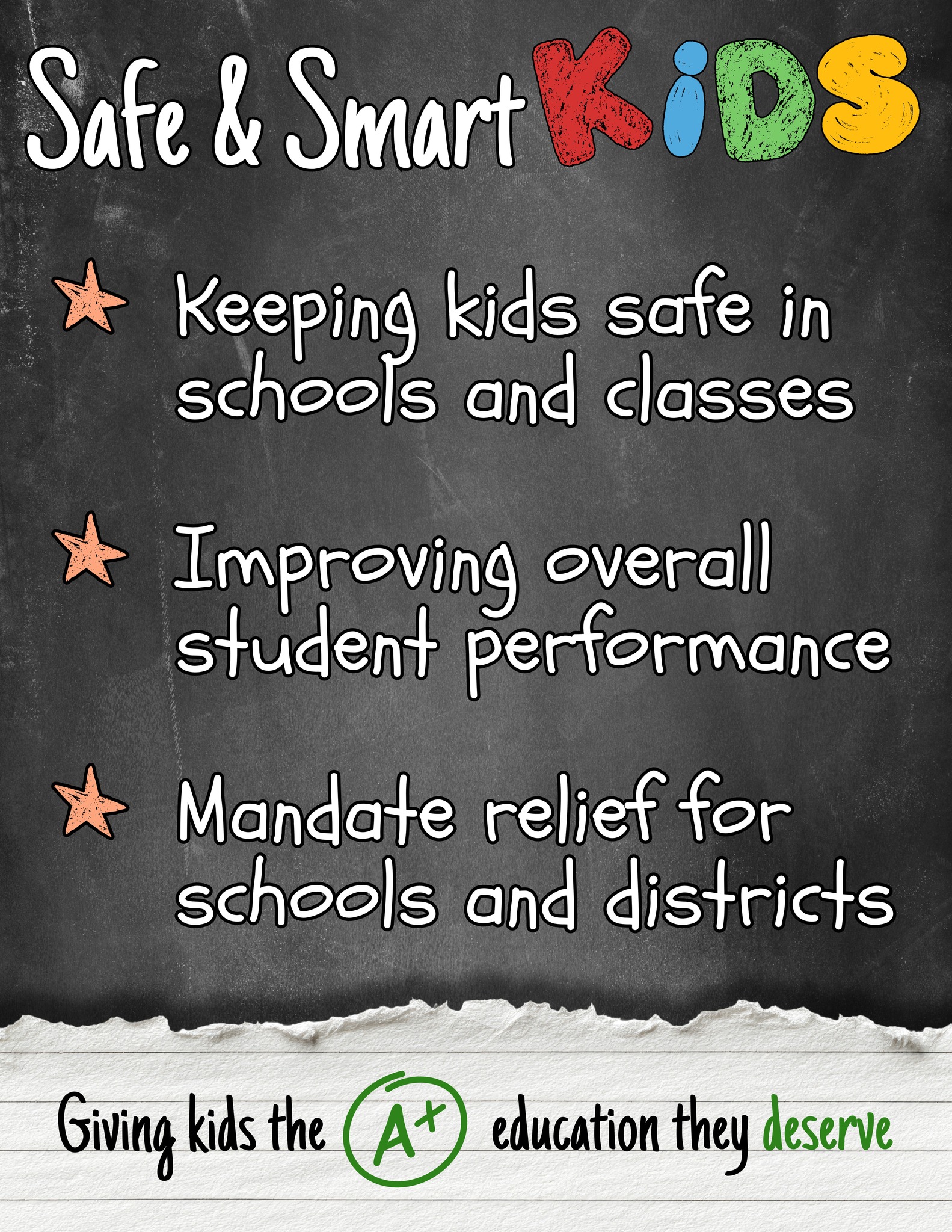
SF3713 and SF986: Increase safe schools revenue to school districts/general education revenue modification to include safe schools aid for charter schools. I’ve received a number of messages regarding proposals to increase safe schools funding and expand how those resources are distributed, including to charter schools. Ensuring that our students and school staff are safe is not optional - it’s essential. I support the broader approach put forward in the Republican caucus’ school safety package, including the SHIELD Act and related proposals. These efforts focus on creating a “Safe Haven” in every local district, strengthening school safety policies, and ensuring schools have the tools and support they need to respond to real-world challenges. |
|
|
At the heart of this issue is a simple principle: every student and every staff member deserves to feel safe, no matter where they go to school. That also means funding should follow the student and empower families to choose the environment where their children can truly thrive - whether that’s a traditional public school, charter school, or nonpublic option. As these bills move forward, I will continue advocating for solutions that prioritize safety, accountability, and flexibility so that schools can meet the unique needs of their communities. |
|
SF3439 and SF4458: Use of an exemption to immunization due to conscientiously held beliefs prohibition for immunization against measles, mumps, and rubella/Prohibit use of an exemption to immunization due to conscientiously held beliefs. Protecting public health is important, and vaccines have played a significant role in preventing the spread of serious diseases. At the same time, I believe strongly that parents know their children best. Decisions about a child’s health should be made in consultation with their doctor, taking into account individual circumstances and medical guidance. I also believe that families who hold sincere religious beliefs should continue to have the ability to seek a conscientious exemption. These are deeply personal decisions, and I have concerns about policies that remove that option entirely. As this legislation moves forward, I will continue to advocate for a balanced approach - one that respects parental rights, protects religious freedom, and ensures we are thoughtfully considering both individual and public health needs. |
|
|
SF2320: Local governmental units authorization to prohibit or restrict the possession of dangerous weapons, ammunition, or explosives in local government-owned or leased buildings and land. I’ve received a number of messages regarding SF 2320, which would allow local units of government to prohibit or restrict the possession of weapons in certain public spaces. I take concerns about public safety seriously, and I understand the intent behind proposals like this. However, I have strong concerns with this approach. Law-abiding citizens are the ones who follow the rules, while those intent on doing harm do not. Policies like this can unintentionally leave responsible individuals more vulnerable, rather than improving safety. |
|
I believe our focus should be on holding criminals accountable and ensuring that those who pose a real threat are stopped—not placing additional restrictions on responsible citizens. For that reason, I do not support this bill as it is currently written. |
|
As we enter this Easter season, I want to take a moment to wish you and your family a joyful and peaceful holiday. This time of year is often one of reflection, renewal, and hope - values that resonate far beyond any single tradition. |
|
|
With spring arriving and new beginnings all around us, I hope you’re able to spend time with loved ones and enjoy the moments that matter most. Happy Easter, and wishing you all the best in the days ahead. |
|
Sincerely, |
|
|
Mark W. Koran Minnesota Senate, District 28 |